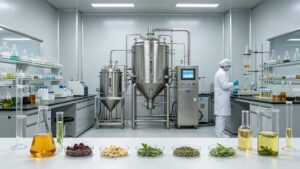
The global cosmetic ingredient landscape has witnessed a seismic shift over the past five years. Among the hundreds of botanical extracts competing for formulators’ attention, one ingredient has risen from relative obscurity to become a staple in prestige and mass-market skincare alike: Centella Asiatica Extract. From the Korean “Cica” phenomenon that swept through K-beauty routines to the Clean Beauty movement in Europe and North America, Centella Asiatica—also known as Gotu Kola, Tiger Grass, or Indian Pennywort—has cemented its status as a must-have active in modern cosmetic formulations. The hashtag #Cica has accumulated billions of views across social media platforms. Global beauty giants like L’Oréal, Estée Lauder, and Shiseido have all launched dedicated Cica lines. The ingredient’s ability to simultaneously soothe irritation, accelerate skin repair, and combat visible signs of aging has made it a rare multi-functional powerhouse in an industry often dominated by single-benefit actives.
However, not all Centella Asiatica Extract is created equal. For professional cosmetic brands, contract manufacturers, and private label developers sourcing Centella Asiatica cosmetic ingredient supplies, understanding the critical quality differentiators is what separates a high-performing product from a marketing claim with no clinical substance. The most important metric—and the one most often misunderstood or deliberately obscured—is Madecassoside content. Standard gotu kola extract cosmetic grade products on the market typically contain total triterpenes in the range of 10% to 40%, with Madecassoside comprising only a fraction of that total. In stark contrast, KangPure’s Centella Asiatica Extract delivers 70%, 80%, or even 90% pure Madecassoside by HPLC—a specification that fundamentally changes what the ingredient can achieve in a finished cosmetic formulation.
In this comprehensive guide, we will dissect the science behind high-purity Madecassoside, explore its full spectrum of cosmetic applications across multiple product categories, provide practical formulation guidance, and demonstrate why KangPure has become the preferred high purity Centella extract supplier for cosmetic brands operating in competitive markets worldwide. Whether you are developing a post-procedure recovery cream, a daily anti-aging serum, a sun care product, or a sensitive skin line, understanding the Madecassoside difference is essential to making an informed sourcing decision.
[Insert Cover Image: Premium skincare serum bottle surrounded by fresh Centella Asiatica (Gotu Kola) leaves on a clean white marble background, soft natural lighting, luxury cosmetic product photography style, 3D render with photorealistic detail. SEO filename: centella-asiatica-extract-madecassoside-cover.jpg. Alt text: Centella Asiatica Extract 70%-90% Madecassoside cosmetic ingredient by KangPure]
1. Understanding Centella Asiatica Extract — The “Cica” Phenomenon Explained
Centella Asiatica is a small, herbaceous perennial plant native to the wetlands of Asia, with a documented history of medicinal use spanning over three thousand years across Ayurvedic, Traditional Chinese Medicine, and Southeast Asian healing traditions. The plant thrives in tropical and subtropical regions, particularly in India, China, Sri Lanka, Madagascar, and parts of Southeast Asia, where it has been traditionally employed for wound healing, skin conditions, and as a general tonic for longevity and cognitive function. Its common names—Gotu Kola in India and Sri Lanka, Tiger Grass in parts of China and Southeast Asia (derived from the observation that wounded tigers would roll in the plant to heal their injuries), and Ji Xue Cao in Mandarin—all speak to its deep cultural roots as a healing botanical.
In modern cosmetic science, the biological activity of Centella Asiatica Extract is attributed primarily to four pentacyclic triterpene compounds, each with distinct structural characteristics and functional profiles. These four key actives are: Madecassoside (羟基积雪草苷), Asiaticoside (积雪草苷), Madecassic Acid (羟基积雪草酸), and Asiatic Acid (积雪草酸). Among these four, Madecassoside has emerged as the most intensively researched and arguably the most functionally versatile. While Asiaticoside has historically received attention for its wound-healing properties, and the acid forms contribute to anti-inflammatory activity, Madecassoside uniquely combines potent collagen synthesis stimulation, broad-spectrum anti-inflammatory action, antioxidant defense, and skin barrier reinforcement in a single molecule. This multi-target mechanism of action is what makes high-purity Madecassoside so valuable to cosmetic formulators who need to deliver visible, measurable results across multiple skin concerns simultaneously.
The industry challenge lies in the wide variability of commercial Centella Asiatica cosmetic ingredient products. A standard “Centella Extract” labeled simply as “10:1 extract” or “total triterpenes 20%” tells the formulator almost nothing about the actual Madecassoside content—which may be as low as 3-5% of the total extract weight. This lack of transparency creates significant formulation challenges. A brand may believe they are adding an effective concentration of active ingredient when, in reality, the bioavailable Madecassoside reaching the target skin layers is far below the threshold required for clinically meaningful results. This is precisely why KangPure focuses on delivering Madecassoside-quantified, HPLC-verified Centella Asiatica Extract with clearly defined purity specifications of 70%, 80%, and 90%—so formulators know exactly what they are working with and can confidently build efficacious products.
2. Why Madecassoside Content Defines Centella Asiatica Extract Quality
The relationship between Madecassoside content and cosmetic efficacy is not linear in a trivial sense—it is exponential in its implications for formulation strategy, product positioning, and ultimately consumer satisfaction. To understand why Madecassoside purity matters so profoundly, we must examine its biological mechanisms at the molecular level and the practical consequences for cosmetic product development.
2.1 Collagen Synthesis Stimulation — The Anti-Aging Foundation
Perhaps the most commercially significant activity of Madecassoside is its well-documented ability to stimulate the synthesis of Type I and Type III collagen in human dermal fibroblasts. Type I collagen provides tensile strength and structural integrity to the skin, while Type III collagen—often referred to as “youth collagen”—is predominant in young, supple skin and diminishes significantly with age. Multiple independent studies have demonstrated that Madecassoside upregulates collagen gene expression and increases total collagen production in a dose-dependent manner. For a cosmetic brand developing anti-aging formulations, this means that the concentration of bioavailable Madecassoside reaching the dermis directly correlates with the product’s ability to improve skin firmness, reduce the appearance of fine lines, and support the skin’s extracellular matrix architecture. When using a standard gotu kola extract cosmetic grade with only 10-20% total triterpenes, the formulator must add significantly more extract to achieve the same active concentration—potentially affecting the formula’s texture, stability, and cost structure. With KangPure’s 90% Madecassoside Centella Asiatica Extract, a small addition rate delivers a potent active dose, preserving formulation elegance while maximizing efficacy claims.
2.2 Anti-Inflammatory and Skin-Soothing Mechanisms
The anti-inflammatory activity of Madecassoside operates through multiple complementary pathways. Research has shown that Madecassoside inhibits the nuclear translocation of NF-κB, a master regulator of inflammatory gene expression. By suppressing this pathway, Madecassoside reduces the production of key pro-inflammatory cytokines including TNF-α, IL-6, and IL-1β—molecules that drive the redness, swelling, and discomfort associated with sensitive skin conditions, post-procedure recovery, and inflammatory acne. Additionally, Madecassoside has been shown to inhibit COX-2 and LOX enzymes, further dampening the arachidonic acid cascade that generates inflammatory prostaglandins and leukotrienes. For cosmetic brands targeting the rapidly growing sensitive skin and dermocosmetic markets, this multi-pathway anti-inflammatory mechanism provides robust scientific substantiation for “soothing,” “calming,” and “anti-redness” claims. A skin soothing ingredient with this depth of mechanistic evidence is rare in the botanical extract space.
2.3 Antioxidant Defense and Photoprotection
Beyond its collagen-stimulating and anti-inflammatory properties, Madecassoside functions as a potent antioxidant with particular relevance to photoaging prevention. It scavenges reactive oxygen species (ROS) including superoxide anions, hydroxyl radicals, and singlet oxygen—the free radical species generated by UV exposure that damage cellular lipids, proteins, and DNA. Furthermore, Madecassoside has been shown to enhance the activity of endogenous antioxidant enzymes including superoxide dismutase (SOD), catalase, and glutathione peroxidase, creating a dual protective effect: direct radical scavenging plus upregulation of the skin’s innate antioxidant defense network. For sunscreen and after-sun formulations, this translates to enhanced photoprotection and accelerated recovery from UV-induced erythema. For daily wear anti-aging products, it means ongoing protection against the oxidative damage that accumulates over years of environmental exposure.
2.4 The Purity-Efficacy Equation — Why 70% is the Entry Point and 90% is the Gold Standard
For cosmetic formulators, the Madecassoside purity specification directly determines the formulation possibilities. With a 70% high purity Centella extract, a 1% addition rate delivers 0.7% active Madecassoside to the formula—a clinically meaningful concentration suitable for daily wear soothing and anti-aging products. With a 90% specification, that same 1% addition delivers 0.9% active, pushing into the therapeutic concentration range preferred for intensive treatment serums, post-procedure recovery balms, and premium anti-aging formulations targeting visible results within weeks rather than months. This is not merely a numbers game; it represents a strategic choice for brands about how they position their products in the market. A brand using KangPure’s 90% Madecassoside Centella Asiatica Extract can legitimately claim a higher active concentration, support those claims with HPLC verification, and differentiate themselves from competitors relying on lower-purity, non-standardized extracts. In an era where educated consumers scrutinize ingredient lists and demand transparency, this quantification of purity provides a powerful marketing and regulatory advantage.
3. Cosmetic Applications — Where 70%-90% Madecassoside Delivers Maximum Value
The versatility of high-purity Madecassoside Centella Asiatica Extract across cosmetic product categories is one of its most compelling advantages. Unlike single-function actives that serve one purpose in one product type, Madecassoside can serve as a cornerstone ingredient across an entire skincare line, creating a coherent brand narrative around the “Cica” or “Centella” concept. Below, we detail the major application categories and the specific value that KangPure’s high-purity extract brings to each.
3.1 Soothing and Repair Products — The Core Cica Category
The Cica cream and Cica serum category—products specifically formulated to soothe irritation, reduce redness, and support barrier repair—represents the most established application for Centella Asiatica Extract. This category has exploded globally, with Cica creams becoming the entry point for many consumers into the Centella universe. These products are used by consumers with sensitive skin conditions, rosacea-prone complexions, compromised skin barriers, and those recovering from dermatological procedures including chemical peels, microneedling, and laser treatments. For this category, the anti-inflammatory mechanism of Madecassoside—specifically its inhibition of NF-κB and reduction of TNF-α and IL-6—provides direct clinical relevance. A product formulated with KangPure’s 90% Madecassoside at 1-2% delivers a potent anti-inflammatory dose that can measurably reduce skin redness and discomfort. Furthermore, the collagen-stimulating activity supports the dermal repair processes that are essential for post-procedure recovery, making Madecassoside a natural anti-aging extract that simultaneously addresses the acute inflammation and the longer-term tissue remodeling needs of compromised skin.
3.2 Anti-Aging Serums and Creams — Collagen and Beyond
In the anti-aging category, Madecassoside offers a differentiated mechanism of action compared to more familiar actives like retinoids, peptides, and alpha-hydroxy acids. While retinoids accelerate cellular turnover and peptides signal collagen production through specific receptor pathways, Madecassoside works through a broader, multi-target approach that includes direct fibroblast stimulation, antioxidant protection, and anti-inflammatory modulation. This makes it an excellent companion ingredient that complements and enhances the effects of other anti-aging actives. For example, Madecassoside’s anti-inflammatory properties can help mitigate the irritation commonly associated with retinol and retinoid use, allowing brands to formulate more tolerable yet still highly effective anti-aging products. Its collagen-boosting activity synergizes with matrixyl peptides and growth factors to address skin aging from multiple angles. And because Madecassoside is exceptionally well-tolerated even at high concentrations, it can be used in products designed for the delicate periorbital area, where many potent anti-aging actives are contraindicated. KangPure’s Centella Asiatica Extract with 80-90% Madecassoside is particularly well-suited for premium anti-aging formulations where every percentage point of active concentration matters for clinical results and marketing claims.
3.3 Sun Care and After-Sun Products — Photoprotection and Recovery
The antioxidant and DNA-protective properties of Madecassoside position it as an ideal active for sun care and after-sun formulations. UV radiation—both UVA and UVB—generates a burst of reactive oxygen species in the skin that overwhelms endogenous antioxidant defenses, leading to oxidative damage to lipids, proteins, and nuclear DNA. This damage manifests acutely as sunburn erythema and chronically as photoaging and increased skin cancer risk. Madecassoside, by directly scavenging ROS and upregulating SOD, catalase, and glutathione peroxidase, provides a complementary layer of protection that works alongside physical and chemical UV filters. In after-sun products, its anti-inflammatory activity accelerates the resolution of UV-induced erythema, reduces the sensation of heat and discomfort, and supports the repair of damaged cellular components. A growing number of sophisticated sun care brands are incorporating high purity Centella extract into their formulations not as a replacement for sunscreen actives, but as a biological response modifier that enhances the skin’s resilience to unavoidable UV exposure. For brands developing premium sun care lines, KangPure’s Madecassoside offers a science-backed point of differentiation in a category where ingredient stories increasingly drive consumer choice.
3.4 Acne-Prone Skin Care — Anti-Inflammatory Acne Management
Inflammatory acne is driven by a complex interplay of sebum overproduction, Cutibacterium acnes colonization, and the host inflammatory response. While many acne treatments focus exclusively on antibacterial and keratolytic mechanisms, the inflammatory component is often under-addressed despite being the primary driver of the redness, swelling, and pain that acne sufferers experience—and the post-inflammatory hyperpigmentation that often persists long after active lesions have resolved. Madecassoside, with its broad-spectrum anti-inflammatory activity, addresses this gap directly. By suppressing NF-κB and reducing pro-inflammatory cytokine production in the pilosebaceous unit, Madecassoside can visibly reduce acne-associated redness and swelling. Its collagen-stimulating and wound-healing activities also support the repair of acne-damaged tissue, potentially reducing the risk of atrophic scarring. In combination with established acne actives like salicylic acid, azelaic acid, or niacinamide, Madecassoside from KangPure allows formulators to create acne treatment products that are both effective and gentle—a combination that consumers with acne-prone skin desperately seek but rarely find.
3.5 Baby and Sensitive Skin Care — Maximum Safety Profile
The exceptional safety and tolerability of Centella Asiatica Extract makes it one of the few botanically-derived active ingredients suitable for baby skincare and ultra-sensitive skin formulations. Unlike many plant extracts that carry risks of contact sensitization or irritation when applied to delicate or compromised skin, high-purity Madecassoside has demonstrated an excellent safety profile in both in vitro and clinical testing. Its mechanism—supporting the skin’s own repair and anti-inflammatory processes rather than imposing an external pharmacological effect—aligns with the “gentle biology” approach that parents and consumers with sensitive skin increasingly prefer. In baby care, Madecassoside can be formulated into diaper rash prevention creams, cradle cap treatments, and general moisturizers where its skin barrier-supporting and anti-irritant properties provide genuine functional benefits. For adult sensitive skin lines, it serves as a hero ingredient around which a complete regimen—cleanser, toner, serum, moisturizer—can be built, with the reassuring message that every product in the line contains a clinically-studied, high-purity soothing active. KangPure’s Madecassoside meets the rigorous purity and safety standards required for these most demanding application categories.
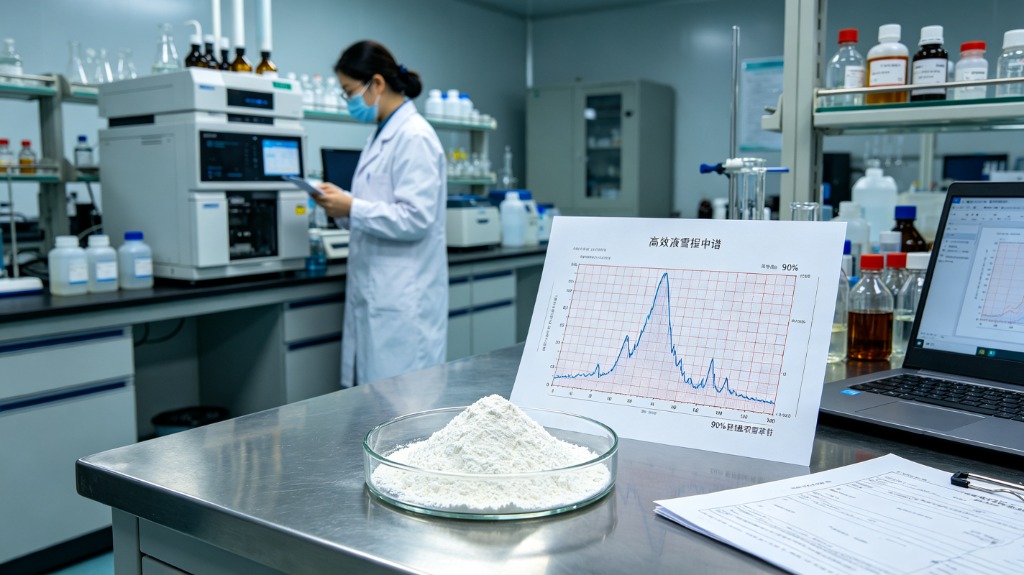
4. KangPure’s Centella Asiatica Extract 70%-90% Madecassoside — Quality You Can Verify
In a market flooded with Centella Asiatica Extract suppliers making bold claims with minimal substantiation, KangPure has built its reputation on a simple principle: every specification we claim is a specification you can verify. Our high purity Centella extract product line, featuring Madecassoside concentrations of 70%, 80%, and 90% as determined by HPLC, represents the culmination of years of investment in raw material sourcing, extraction technology, and quality control infrastructure. Below, we detail exactly what sets KangPure apart.
4.1 Raw Material Sourcing — The Foundation of Quality
The quality of any botanical extract begins with the quality of the raw material, and KangPure approaches Centella Asiatica sourcing with the rigor it deserves. We source our Centella Asiatica whole herb from carefully selected growing regions in China where soil composition, climate conditions, and traditional cultivation practices combine to produce plant material with consistently high Madecassoside content. Our raw material is harvested at the optimal growth stage to maximize triterpene accumulation—timing that our agronomists have refined over years of working with this specific species. Every incoming lot of raw material is tested for identity (botanical authentication), purity (foreign matter, heavy metals, pesticide residues), and Madecassoside content before being accepted into our extraction queue. This upstream quality control ensures that our extraction process begins with the best possible starting material, setting the stage for the high-purity finished product our clients expect.
4.2 Extraction Technology — Protecting What Matters
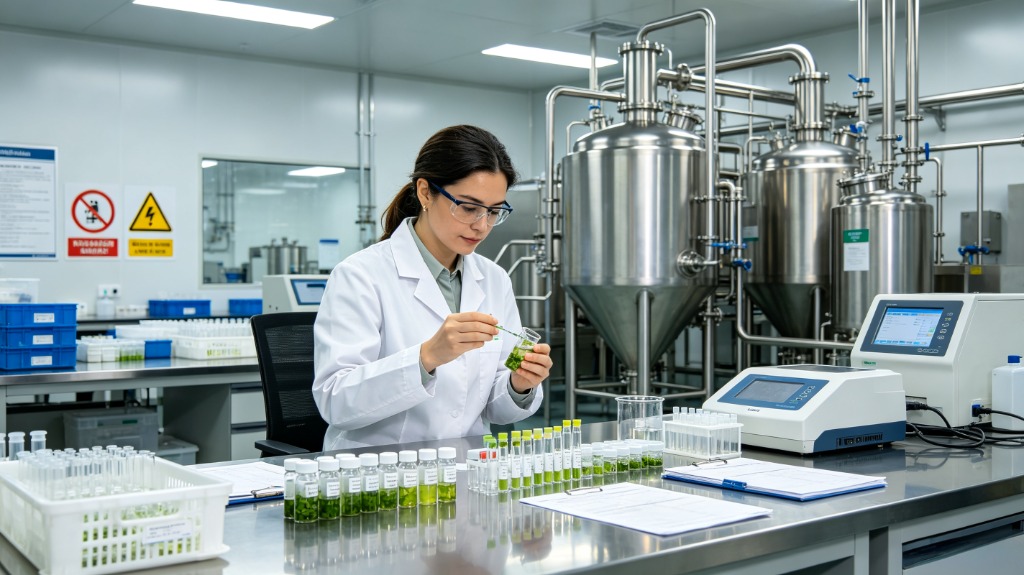
Triterpene glycosides like Madecassoside are thermally sensitive molecules. The glycosidic bond that connects the triterpene aglycone to its sugar moieties can be hydrolyzed by excessive heat, aggressive pH conditions, or prolonged processing times—degrading Madecassoside into its less bioactive aglycone form, Madecassic Acid. KangPure employs low-temperature physical purification technology specifically optimized for glycoside preservation. Our extraction and purification processes are designed to maintain gentle conditions throughout, protecting the glycosidic bonds and ensuring that the Madecassoside content measured in our final product accurately reflects what was present in the raw plant material. This approach avoids the harsh chemical solvents that some extraction methods rely upon, resulting in a cleaner final product with minimal residual solvent risk—an important consideration for cosmetic brands marketing to Clean Beauty consumers or operating in regulatory environments with strict solvent residue limits.
4.3 Quality Specifications and Documentation — Full Transparency
KangPure offers three standard Madecassoside specifications to serve different product positioning strategies and formulation requirements:
- KangPure Centella Asiatica Extract 70% Madecassoside — A cost-effective high-purity option suitable for daily wear products where consistent Madecassoside delivery at moderate concentrations is desired. Ideal for Cica toners, lotions, and entry-level soothing creams.
- KangPure Centella Asiatica Extract 80% Madecassoside — The balanced mid-tier specification, offering an excellent purity-to-cost ratio for brands developing premium yet commercially accessible skincare products. Well-suited for anti-aging serums, daily moisturizers, and sensitive skin formulations.
- KangPure Centella Asiatica Extract 90% Madecassoside — Our flagship specification for brands that demand the highest active concentration available. Designed for intensive treatment products, post-procedure recovery formulations, luxury anti-aging lines, and any application where maximum Madecassoside delivery is the primary value proposition.
Every batch of KangPure Centella Asiatica Extract ships with a comprehensive Certificate of Analysis (CoA) documenting HPLC assay results, physical characteristics (appearance, odor, particle size), loss on drying, heavy metals (lead, arsenic, mercury, cadmium), pesticide residues, and microbial limits (total plate count, yeast and mold, E. coli, Salmonella, Staphylococcus aureus). We do not ask our clients to trust our claims—we provide the documentation that allows them to verify every specification independently. For clients requiring additional assurance, we welcome third-party testing by laboratories of their choice, including SGS, Eurofins, and other internationally recognized analytical service providers.
4.4 How KangPure Compares — The Transparency Difference
When comparing KangPure’s Centella Asiatica Extract to standard market alternatives, the differences become immediately apparent. Many commercial gotu kola extract cosmetic grade products are sold with vague specifications such as “Centella Asiatica Extract 10:1” or “Total Triterpenes ≥ 20%.” These specifications tell the formulator nothing about the specific Madecassoside content, which may vary significantly from batch to batch. Some suppliers list only “Asiaticoside” content while neglecting Madecassoside altogether. Others may spike their extracts with isolated Asiaticoside to inflate total triterpene numbers while under-delivering on the more valuable and more biologically active Madecassoside component.
KangPure takes the opposite approach: we specify and certify Madecassoside content directly by HPLC, providing a clear, unambiguous, batch-specific measurement of the most functionally important active compound in Centella Asiatica. We do not obscure our specifications behind aggregate “total triterpene” numbers or confusing extract ratios. A formulator purchasing KangPure’s 90% Madecassoside knows with certainty that each gram of extract delivers 0.9 grams of Madecassoside—a level of precision that enables accurate formulation, consistent product performance, and defensible marketing claims. In an industry where ingredient transparency has become a competitive necessity, KangPure’s commitment to clear, verifiable specifications provides our clients with both a quality advantage and a marketing asset.
5. Formulation Guidance and Technical Support from KangPure
Beyond supplying high-quality Centella Asiatica cosmetic ingredient material, KangPure provides the technical support that cosmetic formulators and brand owners need to translate our extract into successful finished products. Our technical team brings years of hands-on experience in cosmetic formulation and is available to consult on your specific product development challenges.
5.1 Recommended Use Levels by Product Type
The optimal concentration of KangPure’s Centella Asiatica Extract varies depending on the product format, the target consumer benefit, and the desired positioning within the market. Below are general guidelines based on our experience working with cosmetic brands across multiple product categories. These recommendations assume use of the 90% Madecassoside specification; for 70% or 80% specifications, addition rates may be adjusted proportionally to achieve equivalent active Madecassoside concentrations.
- Soothing Serums and Ampoules: 0.5% – 2.0%. Higher end for intensive treatment serums targeting visible redness reduction; lower end for daily use serums in layered skincare routines.
- Cica Creams and Balms: 0.3% – 1.5%. Rich, occlusive formulations benefit from the higher end of this range, particularly when targeting post-procedure or compromised skin barrier conditions.
- Anti-Aging Moisturizers: 0.2% – 1.0%. Combined with complementary anti-aging actives like peptides or niacinamide for synergistic effects.
- Sheet Masks and Hydrogel Masks: 0.5% – 1.5%. The occlusive nature of mask formats enhances penetration, making this an efficient delivery format for Madecassoside.
- After-Sun Lotions and Gels: 0.5% – 2.0%. Higher concentrations recommended for products specifically marketed for sunburn recovery and erythema reduction.
- Acne Spot Treatments: 1.0% – 2.0%. Combined with salicylic acid, azelaic acid, or centella-derived madecassic acid for comprehensive acne management.
- Baby Skincare: 0.1% – 0.5%. Conservative use levels appropriate for the most sensitive skin; the excellent safety profile of Madecassoside supports even these low concentrations delivering meaningful soothing benefits.
5.2 Solubility and Formulation Compatibility
KangPure’s Centella Asiatica Extract is a water-soluble fine powder that disperses readily in aqueous phases, making it compatible with the majority of cosmetic formulation types including oil-in-water emulsions, water-in-oil emulsions, aqueous serums, gel systems, and mask essences. For optimal incorporation, we recommend pre-dispersing the extract in a portion of the water phase at ambient temperature with gentle mixing before combining with the full batch. High-shear mixing should be avoided as it may generate localized heating that could theoretically affect glycosidic bond stability, though the extract is generally robust under standard cosmetic manufacturing conditions.
The extract demonstrates good compatibility with a wide range of common cosmetic ingredients, including humectants (glycerin, butylene glycol, propylene glycol), thickeners (carbomer, xanthan gum, hydroxyethylcellulose), emollients, surfactants, and preservative systems. pH stability testing indicates that Madecassoside remains stable across the pH range typically employed in cosmetic formulations (pH 4.5 – 7.0), with optimal stability observed between pH 5.0 and 6.5. Formulators working with low-pH products such as AHA/BHA exfoliants (pH 3.0 – 4.0) should conduct accelerated stability testing to confirm Madecassoside integrity over the product shelf life. For any specific compatibility questions, KangPure’s technical team is available to review your proposed formula and provide guidance based on our extensive experience with this ingredient across diverse formulation matrices.
5.3 Claims Substantiation Support
In an era of increasing regulatory scrutiny of cosmetic product claims—particularly in markets like the European Union, United Kingdom, South Korea, and China—having robust scientific substantiation for product efficacy claims is no longer optional. KangPure supports our clients’ claims development efforts by providing access to the published scientific literature on Madecassoside, summaries of key mechanistic studies, and guidance on how to translate scientific evidence into compliant, consumer-relevant product claims. While we do not conduct clinical trials on finished products (this remains the responsibility of the brand owner), the depth of published research on Madecassoside’s collagen-stimulating, anti-inflammatory, antioxidant, and wound-healing activities provides a strong foundation for well-supported product claims across multiple benefit areas.
6. Supply Chain Reliability — Why Choose KangPure as Your Long-Term Partner
Product quality is essential, but it means little without supply chain reliability. A high purity Centella extract that cannot be delivered on time, at consistent quality, and in the quantities required is not a commercial asset—it is a formulation risk. KangPure has invested in the infrastructure, systems, and relationships necessary to provide the supply chain dependability that cosmetic brands require in an increasingly demanding global market.
6.1 Integrated Supply Chain Control
KangPure operates a vertically integrated supply chain for Centella Asiatica, controlling the journey from cultivation regions through extraction, purification, quality testing, and final packaging. This integration eliminates the information gaps and quality inconsistencies that plague fragmented supply chains where raw material sourcing, extraction, and distribution are handled by separate, uncoordinated entities. When a client places an order with KangPure, they are dealing with the entity that has visibility into and control over every step of the process. This translates to faster response times when questions arise, more accurate lead time estimates, and the ability to trace any batch from finished powder back to its raw material origin.
6.2 Flexible Order Quantities
We recognize that cosmetic brands exist at every scale—from indie startups testing their first product concept with a few hundred units to multinational corporations placing multi-ton annual orders. KangPure accommodates this full spectrum with flexible minimum order quantities designed to support brands at every stage of growth. For startups and brands in the product development phase, we offer sample quantities and small batch purchases that allow for formulation testing, stability trials, and small-scale production runs without committing to volumes that exceed immediate needs. For established brands with predictable demand, we offer scaled pricing and guaranteed production capacity allocation to support reliable, just-in-time delivery.
6.3 Global Logistics and Regulatory Support
KangPure ships Centella Asiatica Extract to cosmetic manufacturers and brand owners in North America, Europe, East Asia, Southeast Asia, and beyond. Our logistics team manages the complexities of international shipping, including appropriate packaging for long-distance transit, customs documentation preparation, and coordination with freight forwarders to optimize delivery timelines and costs. For clients entering markets with specific regulatory requirements—such as EU Cosmetics Regulation (EC) No 1223/2009 compliance, China’s Cosmetic Supervision and Administration Regulation (CSAR) ingredient notification requirements, or ASEAN Cosmetic Directive standards—we provide the technical documentation and testing data necessary to support regulatory submissions. Our facility operates under GMP, ISO, and HACCP certified quality management systems, providing the foundation of manufacturing quality assurance that regulatory reviewers and brand customers alike expect from a professional Centella Asiatica cosmetic ingredient supplier.
Partner with KangPure for Your Centella Asiatica Extract Needs
The difference between an ordinary Centella Asiatica Extract and one that delivers genuine, visible, and marketable cosmetic benefits comes down to a single measurable variable: Madecassoside content. In a market saturated with “Cica” claims, brands that can substantiate their active ingredient concentrations with transparent, third-party-verifiable data will win consumer trust—and consumer wallets. KangPure’s Centella Asiatica Extract with 70%, 80%, and 90% Madecassoside by HPLC represents the quality tier that competitive cosmetic brands need to differentiate their products in an increasingly sophisticated global beauty market.
We invite you to experience the KangPure difference firsthand. Our product samples, complete with full Certificates of Analysis and HPLC chromatograms, are available for your evaluation. Our technical team is ready to discuss your specific formulation challenges and recommend the optimal Madecassoside specification for your product concept. Quality botanical extracts, transparent specifications, reliable supply—this is the KangPure commitment.
Contact KangPure today to request your sample of Centella Asiatica Extract 70%-90% Madecassoside and take the first step toward a formulation advantage your competitors will wish they had.
References
- Bylka, W., Znajdek-Awiżeń, P., Studzińska-Sroka, E., & Brzezińska, M. (2013). Centella asiatica in cosmetology. Advances in Dermatology and Allergology, 30(1), 46-49.
- Hashim, P., Sidek, H., Helan, M.H.M., Sabery, A., Palanisamy, U.D., & Ilham, M. (2011). Triterpene composition and bioactivities of Centella asiatica. Molecules, 16(2), 1310-1322.
- Gohil, K.J., Patel, J.A., & Gajjar, A.K. (2010). Pharmacological review on Centella asiatica: a potential herbal cure-all. Indian Journal of Pharmaceutical Sciences, 72(5), 546-556.
- James, J.T., & Dubery, I.A. (2009). Pentacyclic triterpenoids from the medicinal herb, Centella asiatica (L.) Urban. Molecules, 14(10), 3922-3941.
- Sawatdee, S., Choochuay, K., Chanthorn, W., & Srichana, T. (2016). Evaluation of the wound healing activity of Centella asiatica extracts. Journal of Ethnopharmacology, 193, 312-320.