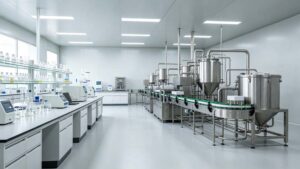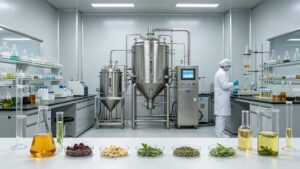
In the ever-evolving world of cosmetic ingredients, few botanical actives have garnered as much attention as Glabridin. Derived from the root of Glycyrrhiza glabra (licorice), this flavonoid is widely recognized as the “whitening gold” of the skincare industry. With its potent tyrosinase-inhibiting, antioxidant, and anti-inflammatory properties, glabridin offers a natural, effective, and safe alternative to synthetic skin-lightening agents. However, not all glabridin extracts are created equal. Purity levels—typically ranging from 40% to 90% and 95%—dramatically impact efficacy, stability, and formulation outcomes. This comprehensive article explores the whitening mechanisms of glabridin, detailed usage specifications for different purity grades, formulation strategies, and why KangPure’s high-purity glabridin, sourced from the rich lands of Shaanxi, China, stands as a superior choice for discerning formulators.
I. Glabridin 40/90/95%: Chemical Profile and Sourcing
1. Chemical Structure & Basic Properties
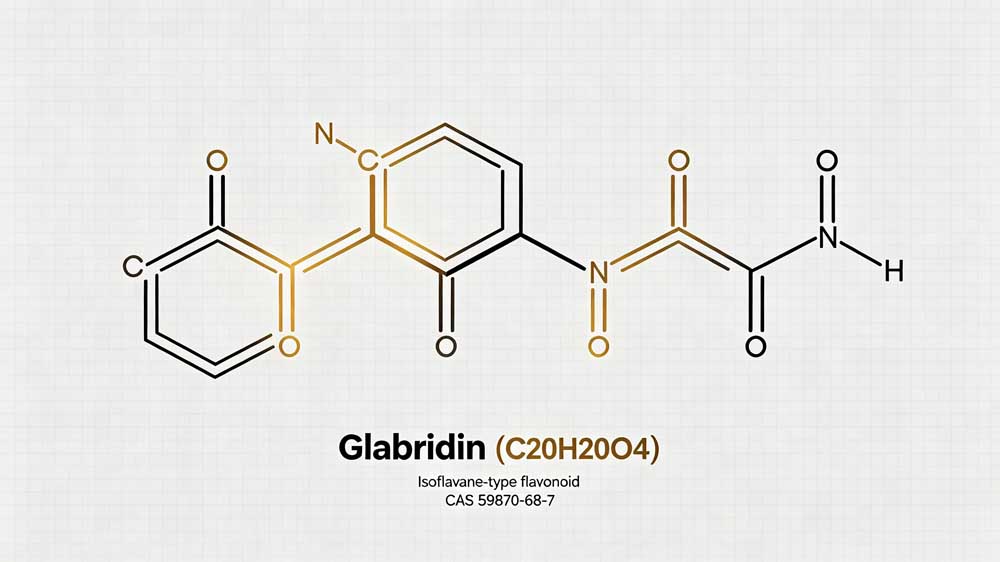
Glabridin (CAS: 59870-68-7, Molecular Formula: C20H20O4, Molecular Weight: 324.37 g/mol) is an isoflavane-type flavonoid predominantly found in the hydrophobic fraction of licorice root extract. It is characterized by its unique pyranoisoflavan structure, which is crucial for its biological activity.
Key physicochemical properties of glabridin include:
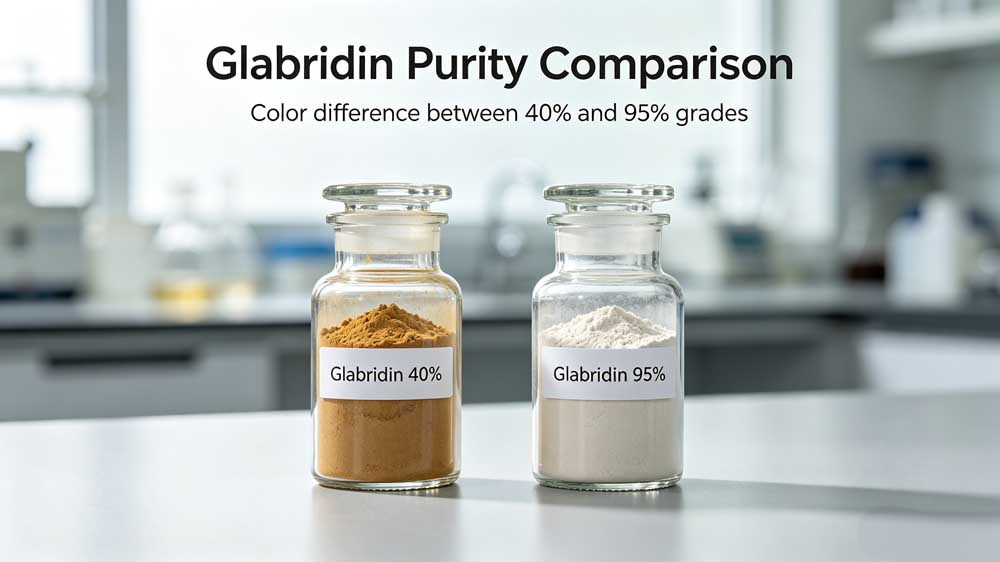
- Appearance: Brownish-yellow to off-white powder (color lightens with higher purity)
- Solubility: Insoluble in water; soluble in organic solvents such as propylene glycol, butylene glycol, and ethanol
- Melting Point: 156–158°C
- Detection Method: HPLC (High-Performance Liquid Chromatography)
The purity of glabridin extract is a critical quality parameter. Common commercial grades include 40%, 90%, 95%, and 98%. Lower-purity grades (e.g., 40%) contain significant amounts of other licorice constituents and impurities, which can affect color, stability, and overall efficacy. High-purity grades (≥90%) are refined through advanced techniques like melt crystallization, yielding a near-white powder with minimal impurities and maximal biological activity.
2. Sourcing and Extraction
The journey of high-quality glabridin begins with the licorice root. Glycyrrhiza glabra is cultivated in various regions, with the quality of the extract heavily dependent on the plant’s genetic profile, growing conditions, and post-harvest processing. Glabridin content in licorice root is naturally low, typically around 0.2%, making its extraction and purification a technically demanding process. This naturally low concentration contributes to its high value and the price differential between crude extracts and high-purity isolates.
KangPure sources its licorice raw materials from carefully selected cultivation bases in the Shaanxi Province of China, a region known for its ideal climate and soil conditions for licorice cultivation. This strategic sourcing ensures a consistent supply of premium raw material with high bioactive potential.
II. Whitening Mechanism: How Glabridin Inhibits Melanin Production
Glabridin’s reputation as the “whitening gold” is firmly grounded in its multi-faceted approach to melanin suppression. Unlike some single-pathway inhibitors, glabridin acts at multiple levels of the melanogenesis cascade, making it one of the most effective natural skin-brightening agents available.
1. Primary Mechanism: Direct Inhibition of Tyrosinase Activity
Tyrosinase is the rate-limiting enzyme in melanin synthesis, catalyzing the oxidation of tyrosine to DOPA and subsequently to DOPAquinone. Glabridin is a potent competitive inhibitor of tyrosinase, but its action goes beyond simple competition.
At the molecular level, glabridin binds to the core region of the tyrosinase enzyme. The C-2 and C-4 hydroxyl groups on the glabridin molecule form multiple hydrogen bonds with key amino acid residues (Asn-81, Cys-83, Thr-84, and His-85) within the enzyme’s active site. This binding, particularly the interaction with His-85, creates a steric hindrance that prevents L-DOPA from accessing the catalytic pocket, thereby effectively reducing the enzyme’s ability to generate melanin. This specific binding mechanism highlights the structural specificity of glabridin’s tyrosinase-inhibitory activity, which is far superior to that of many other natural inhibitors.
2. Downstream Regulation: Suppression of Melanogenesis-Related Genes
Inhibition of the tyrosinase enzyme is just the first layer of glabridin’s action. Studies using quantitative PCR have demonstrated that glabridin significantly suppresses the transcription of key genes involved in melanin production. This includes not only TYR (tyrosinase) but also TRP-1 (tyrosinase-related protein 1), TRP-2 (dopachrome tautomerase), MITF (microphthalmia-associated transcription factor), and MC1R (melanocortin 1 receptor). MITF is a master transcriptional regulator of melanogenesis; by suppressing its expression, glabridin effectively shuts down the entire downstream cascade of melanin-producing machinery.
3. Interference with Signaling Pathways
The suppression of MITF is achieved through glabridin’s interference with upstream signaling pathways that stimulate melanogenesis. Specifically, glabridin has been shown to inhibit the cAMP/PKA/CREB and P38/MAPK/MITF signaling pathways. These pathways are typically activated by alpha-melanocyte-stimulating hormone (α-MSH) in response to UV radiation. By dampening these signals, glabridin prevents the cell from receiving the “produce melanin” message, further reducing melanin synthesis at its source.
4. Additional Mechanisms: Antioxidant and Anti-Inflammatory Support
Melanin production is often triggered by oxidative stress and inflammation, conditions that glabridin actively counteracts. Its potent antioxidant activity helps to neutralize reactive oxygen species (ROS) that can stimulate melanogenesis, thereby breaking a key driver of pigmentation. Furthermore, glabridin’s anti-inflammatory effects—mediated by the inhibition of the TLR4/MYD88/NF-κB signaling pathway—can calm skin, reducing the post-inflammatory hyperpigmentation (PIH) that often follows acne or sun exposure. This integrated mechanism—direct enzyme inhibition, gene suppression, signaling interference, and antioxidant/anti-inflammatory support—makes glabridin a comprehensive solution for hyperpigmentation and uneven skin tone.
III. Purity Matters: Glabridin 40% vs. 90% vs. 95%
One of the most critical decisions when formulating with glabridin is the choice of purity. The grade you select has a profound impact on the final product’s efficacy, stability, color, and safety.
| Feature | Glabridin 40% | Glabridin 90% | Glabridin 95% |
|---|---|---|---|
| Appearance | Brownish-yellow to brown powder | Off-white to light yellow powder | Near-white to off-white powder |
| Purity Level | ≥40% | ≥90% | ≥95% |
| Impurity Profile | High (>60% other components) | Low (<10% other components) | Very low (<5% other components) |
| Tyrosinase Inhibition | Moderate (diluted by impurities) | High (superior potency) | Very High (maximum potency) |
| Formulation Color | Significant color contribution | Minimal color contribution | Virtually no color contribution |
| Stability | Lower; impurities may degrade | High; less prone to degradation | Very High; excellent long-term stability |
| Cost | Lower (less processing) | Higher (complex purification) | Highest (extensive purification) |
As highlighted by industry experts, the difference between using a 40% extract and a 95% extract is substantial. The 60% “inactive” portion of a 40% extract is a complex mixture of other licorice compounds and undefined impurities, which can vary between batches. This heterogeneity can lead to inconsistent product performance, unpredictable color changes, and potential safety concerns due to unidentified byproducts. In contrast, high-purity glabridin (≥90%) is meticulously refined—often through a demanding melt crystallization process at 155-168°C—to remove these unwanted materials, delivering a consistent, potent, and reliable active ingredient.
IV. Usage Guidelines: Recommended Addition Levels and Formulation Tips
Understanding the recommended usage levels for glabridin is essential for developing safe and effective products. The optimal concentration depends on the purity of the glabridin extract and the specific product application.
1. Recommended Usage Levels
Industry literature and supplier recommendations provide clear guidance on glabridin usage:
- General Whitening/Brightening: 0.001% to 0.05% of pure glabridin is typically recommended. This low concentration is highly effective due to its potent tyrosinase inhibition activity (IC50 ~1.09 μmol/L, significantly lower than α-arbutin’s IC50 ~962 μmol/L).
- Enhanced Whitening for Stubborn Hyperpigmentation: Concentrations up to 0.1% of glabridin have been used in clinical trials to successfully lighten skin, with up to 20% of patients showing improvement after 4 weeks of twice-daily application.
- Specific Formulations: For anti-acne and sebum-regulating applications, higher usage rates of 0.01-0.5% glabridin may be employed.
- Solubilization Requirement: Since glabridin is insoluble in water, it must be pre-dissolved in glycols (e.g., propylene glycol, butylene glycol) or ethanol before being incorporated into the aqueous phase of a formulation. A common practice is to pre-dissolve glabridin with a glycol or PEG-400 at a ratio of 1:8 to 1:10 for effective incorporation.
2. Synergistic Combinations
Glabridin’s efficacy can be significantly enhanced when combined with other complementary ingredients.
- Glabridin + Tetrahydropiperine + Apple/Milk Ferment: A 2023 invention patent (CN116158991A) described an anti-aging and whitening composition where the combination of glabridin with tetrahydropiperine and a specific ferment showed superior synergy.
- Glabridin + Apple Extract + Rice Bran Extract: A patent (CN115778886A) revealed that a three-way combination of glabridin, apple extract, and rice bran extract demonstrated a synergistic effect on reducing tyrosinase activity and lowering melanin content in B16F10 melanoma cells, outperforming any single or two-way combination.
- Glabridin + Vitamin C Derivatives + Niacinamide: A classic brightening complex that targets multiple pathways: tyrosinase inhibition (glabridin), melanin transfer blockage (niacinamide), and melanin reduction (vitamin C).
3. Stabilization and Formulation Considerations
- pH Stability: The stability of glabridin is influenced by pH. It is generally recommended to formulate glabridin at a pH range of 4-6 to ensure optimal stability and activity.
- Protection from Oxidation: While glabridin itself is an antioxidant, protecting it from degradation is key. Formulations should be protected from excessive heat, light, and oxygen.
- Delivery Systems: Advanced delivery technologies are being explored to improve the aqueous solubility and skin penetration of glabridin. These include entrapment in mesoporous silica, chitosan nanoparticles, nanoemulsions, and nanocrystals. The use of such systems can significantly enhance the bioavailability and efficacy of glabridin.
V. KangPure Glabridin: Superior Quality from the Heart of China
In a market flooded with varying grades of glabridin, KangPure distinguishes itself through an unwavering commitment to quality, purity, and supply chain integrity.
1. Premium Sourcing from Shaanxi, China
KangPure’s glabridin journey begins in the fertile fields of Shaanxi Province. This region, with its unique loess soil, temperate climate, and long history of licorice cultivation, provides the ideal environment for producing licorice roots rich in bioactive flavonoids. By controlling the sourcing of our raw materials, we ensure that every batch of our extract starts with the highest quality starting material.
2. High Purity (≥90% and 95%) and Uncompromising Quality Control
KangPure specializes in the production of high-purity glabridin, offering both 90% and 95% grades. Our state-of-the-art extraction and purification processes are specifically designed to maximize the concentration of active glabridin while strictly limiting impurities. This stands in sharp contrast to lower-grade 40% extracts. We understand that the 60% impurities in these crude extracts can introduce variability, instability, and potential safety concerns. KangPure’s high-purity glabridin is a consistent, reliable, and potent active, meticulously purified to ensure batch-to-batch uniformity and maximum efficacy for your formulations.
3. Rigorous Quality Management
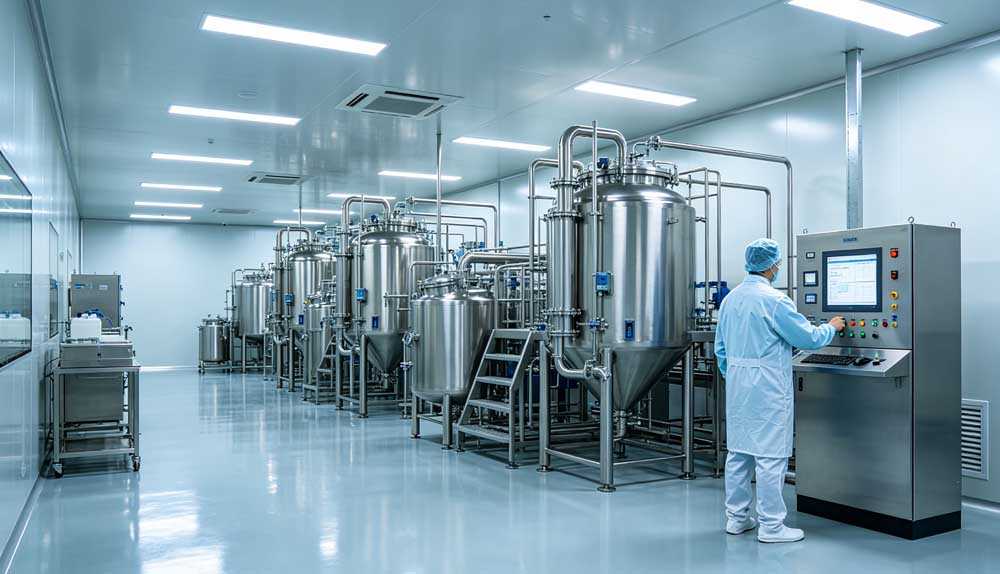
Our manufacturing facility in Xi’an, Shaanxi, operates under the highest international standards, including GMP, ISO, and HACCP certifications. Every batch of our glabridin undergoes comprehensive testing using validated HPLC methods. Each shipment is accompanied by a detailed Certificate of Analysis (COA) verifying:
- Active Content: Confirmation of glabridin purity at the specified level (90% or 95%).
- Heavy Metals: Testing to ensure compliance with stringent international safety limits.
- Microbiological Purity: Guaranteeing the absence of harmful microorganisms.
- Residual Solvents: Confirming that all processing solvents are removed to safe levels.
VI. Applications and Market Trends
Glabridin’s exceptional safety and efficacy profile has led to its widespread adoption across the cosmetic industry. Its primary applications include:
- Premium Whitening and Brightening Products: Serums, emulsions, and creams targeting general skin dullness, hyperpigmentation, and age spots.
- Anti-Aging Formulations: Its antioxidant properties help combat free radical damage, making it a valuable addition to anti-aging skincare.
- Post-Acne Spot Treatment: Its anti-inflammatory and melanin-inhibiting actions make it effective in reducing post-inflammatory hyperpigmentation (PIH).
- Sensitive Skin Care: Its gentle, non-irritating nature makes it suitable for sensitive skin that cannot tolerate stronger chemical peels or active ingredients.
According to market research, glabridin is a key ingredient in top-tier cosmetic brands worldwide, including Lancôme, Dior, and Chanel. Its popularity continues to surge in the Asia-Pacific region, driven by strong demand for effective and safe skin-brightening solutions.
VII. Conclusion
Glabridin represents the pinnacle of natural, effective, and safe skin-brightening ingredients. Its potent multi-target mechanisms—from direct tyrosinase inhibition to gene suppression and anti-inflammatory support—make it a “whitening gold” that delivers tangible results. However, the purity of the glabridin used is not a trivial detail; it is a fundamental factor that dictates the ingredient’s performance, stability, and safety. While 40% extracts may offer a lower price point, they come with a host of potential drawbacks, including inconsistent efficacy and stability challenges. High-purity grades (90% and 95%) provide the potency, consistency, and reliability that premium product developers demand.
KangPure is proud to be a trusted supplier of premium, high-purity glabridin. By sourcing our raw materials from the rich lands of Shaanxi, China, and adhering to the most stringent quality control protocols, we provide our partners with an ingredient that stands out for its excellence. When you choose KangPure’s glabridin, you are not just selecting a raw material; you are choosing a partner committed to helping you create superior products with consistent and reliable results.
VIII. Contact Us
Ready to elevate your formulations with KangPure’s high-purity Glabridin? Our team of experts is here to provide you with comprehensive technical support, detailed product specifications, and samples for your development needs. Let us be your trusted partner in creating the next generation of effective, natural skincare.
Email: info@kangpure.com
Website: www.kangpure.com
References
1. ChemicalBook. (n.d.). Glabridin. ChemicalBook Database. CAS: 59870-68-7.
2. Raoufinejad, K., Rajabi, M., & Sarafian, G. (2020). Licorice in the Treatment of Acne Vulgaris and Postinflammatory Hyperpigmentation: A Review. Journal of Pharmaceutical Care, 8(4), 186-195.
3. Chinese Invention Patent. A liposoluble glabridin compound whitening agent and its application. CN108498412B. Yili NaiQue Biotechnology Co., Ltd.
4. GfN & Selco. (n.d.). Glabridin 95 Product Technical Data Sheet.
5. Xu, J.Y., Cheng, L.S., Wang, A.N., & Li, A.Z. (2025). Research progress on extraction, efficacy and surface modification of glabridin. China Journal of Aesthetic Medicine, 34(3), 193-198.
6. Chinese Invention Patent. An anti-aging and whitening composition containing bakuchiol, cream thereof, and preparation method. CN116158991A. Shaanxi Changxiang Pharmaceutical Co., Ltd.
7. Nanjing Zelang Pharmaceutical Technology Co., Ltd. (2016). Glabridin 40% 90% 95% 98% Product Information. ChemicalBook Supply.